NAC for Nail Biting, Skin Picking, and Hair Pulling: Does It Actually Work?
Can NAC help stop nail biting, skin picking, or hair pulling? Learn what the research says, recommended dosages, side effects, and who may benefit.
What is NAC?
N-acetylcysteine (NAC) is a modified form of the amino acid L-cysteine. In clinical medicine, it has long been used as the standard treatment for acetaminophen (paracetamol) overdose and as a mucolytic agent in respiratory conditions. Its broader relevance comes from its role in cellular antioxidant systems, mainly through increasing glutathione, the body’s primary endogenous antioxidant. Through this pathway, NAC also influences oxidative stress, inflammation, and neurotransmitter systems involved in brain regulation and behavior.[1][2]
Why people are using NAC for BFRBs
Interest in NAC for body-focused repetitive behaviors comes from emerging evidence that these conditions involve dysregulation in habit and control circuits in the brain rather than purely emotional or situational triggers. Neurobiological research suggests abnormalities in glutamate signaling and cortico-striato-thalamo-cortical pathways, which are also implicated in obsessive–compulsive and related disorders.[3]
NAC may help by modulating extracellular glutamate levels and restoring balance in these circuits, while also supporting glutathione production. This combination may reduce compulsive urges and improve inhibitory control. Early clinical studies in trichotillomania, skin picking, and nail biting show mixed but sometimes meaningful reductions in symptoms, which is why NAC continues to be studied despite inconsistent outcomes.[3][4]
Body-Focused Repetitive Behaviors (BFRBs)
What are BFRBs?
Body-focused repetitive behaviors are a group of conditions where individuals repeatedly touch, pull, pick, or bite parts of their own body in ways that cause damage or distress. This includes trichotillomania (hair pulling), excoriation disorder (skin picking), nail biting, cheek chewing, lip biting, and similar repetitive grooming behaviors.[3]
These behaviors often follow a cycle: an internal urge builds, the behavior temporarily relieves tension, and the urge returns again. Over time, this loop can become increasingly automatic and difficult to interrupt. What starts as something occasional can gradually shift into a pattern that feels reactive rather than intentional, especially in moments of boredom, stress, or deep focus.
BFRBs are classified alongside obsessive–compulsive and related disorders due to overlapping neurocircuitry, especially in habit formation and inhibitory control systems.[3]
Habits vs Clinical BFRBs
While many people occasionally bite nails or pick skin, clinical BFRBs are defined by persistence, loss of control, and functional impairment.
The difference usually shows up in how the behavior behaves over time. In clinical BFRBs, individuals often describe repeated failed attempts to stop, growing tension or urges before engaging in the behavior, and a sense that the action “takes over” despite knowing the consequences. It’s not just frequency, but the compulsive quality and the distress that follows.
These behaviors can lead to physical harm such as scarring, infections, or nail damage, but the emotional layer is often just as important, including shame, avoidance, and frustration. Unlike simple habits, BFRBs are linked to dysfunction in cortico-striato-thalamo-cortical circuits involved in habit learning and impulse regulation.[3]
Why BFRBs occur
There is no single cause. Current evidence suggests a combination of biological vulnerability and learned behavioral reinforcement. Genetics likely play a role in susceptibility, but brain circuitry differences appear central to how the behavior becomes repetitive.
Research highlights several contributing mechanisms, including altered glutamate and dopamine signaling, reinforcement of habit loops, and difficulties in emotional regulation. Stress does not cause BFRBs directly, but it often amplifies them, especially when the behavior becomes a coping mechanism for internal tension or overstimulation.
High rates of psychiatric comorbidity are also reported, which complicates causal models. Despite this, converging evidence points to habit circuitry and inhibitory control dysfunction as central mechanisms.[3]
BFRBs vs Self-Harm and OCD
BFRBs are often confused with self-harm, but the intent differs. Self-harm is typically linked to emotional relief or coping with psychological pain, while BFRBs are more driven by urges, sensory tension, or “not feeling right” until the behavior occurs.
Compared with OCD, compulsions in OCD are usually driven by intrusive thoughts and fear-based beliefs. BFRBs are more closely tied to sensory reinforcement and habit loops rather than obsessional fear.[3]
Types of BFRBs
Nail Biting (Onychophagia)
Nail biting often begins in childhood and may become chronic. It is frequently triggered by stress, boredom, or concentration and may occur automatically without conscious awareness. Over time, it can become a default response during idle or mentally demanding situations.
Effects include nail and skin damage, infections, and in severe cases dental complications. Social embarrassment is also common, especially when hands are frequently visible. It becomes clinically significant when it causes impairment or repeated inability to stop.[4]
Skin Picking (Excoriation Disorder)
Skin picking involves repetitive manipulation of skin, often targeting perceived imperfections such as acne or scabs. It can be both focused and automatic, depending on the situation and emotional state.
Episodes may last from minutes to hours, particularly during stress, anxiety, or tactile “checking” behaviors. Complications include scarring, infections, and long-term dermatological damage, sometimes severe enough to require medical intervention.[3][6]
Psychologically, skin picking is often associated with shame, concealment, and reduced quality of life due to both appearance concerns and time spent engaging in the behavior.
Trichotillomania (Hair-Pulling Disorder)
Trichotillomania involves recurrent hair pulling resulting in noticeable hair loss. Many individuals describe a buildup of tension before pulling, followed by temporary relief afterward, which reinforces the cycle.
Triggers often include stress, boredom, or focused attention during sedentary activities such as reading or watching screens. Over time, this can lead to visible hair loss, reduced self-esteem, and social avoidance. Many individuals develop camouflage strategies such as hats, makeup, or specific hairstyles to hide affected areas.
Can NAC Help BFRBs?
NAC is an antioxidant and glutamate-modulating compound that influences glutathione production and oxidative stress pathways. It has gained interest in BFRBs due to evidence of glutamate dysregulation in cortico-striatal circuits involved in compulsive and habitual behavior.[3]
Research on NAC
Trichotillomania
A randomized controlled trial found that NAC significantly reduced hair-pulling symptoms in adults, with about 56% responding compared to placebo. Improvements typically emerged after several weeks rather than immediately, suggesting a gradual neuromodulatory effect.[3][6]
Skin Picking (Excoriation Disorder)
A major randomized clinical trial showed that NAC significantly reduced symptom severity compared to placebo, with nearly half of participants showing marked improvement.³⁷ Case reports also describe substantial improvement at doses ranging from 1200–3000 mg/day, sometimes including near-complete remission in severe cases.[3][8]
Nail Biting
Evidence is more limited and less consistent. A controlled trial in children and adolescents showed short-term improvement in nail length and reduced biting behavior, but effects were not sustained in all participants over time.[4][1]
Overall Evidence
Across BFRBs, NAC shows the most consistent effects in skin picking and trichotillomania. Evidence for nail biting is weaker and less stable. Response varies widely between individuals, likely due to differences in neurobiology, severity, and comorbid conditions.[3]
NAC Dosage for BFRBs
Typical Research Doses
Most studies use 1200 mg to 3000 mg/day, usually split into two doses. Common clinical targets are 2000–3000 mg/day.[1][2]
Starting Dose
Typical initiation starts at 600 mg once or twice daily, depending on tolerance.[1]
Gradual Titration
Doses are increased every 1–2 weeks, often reaching 1200 mg twice daily and in some cases up to 1500 mg twice daily (3000 mg/day).[1][2]
Time to Effects
Clinical improvement generally appears after 4–8 weeks in responders, while slower responders may require up to 10–12 weeks before clear changes are noticeable.[1][3]
When to Stop if Ineffective
If there is no response after 12 weeks at a therapeutic dose (≥2400 mg/day), benefit is unlikely.[1]
NAC Side Effects
Common Side Effects
Oral NAC is generally well tolerated, but gastrointestinal effects are most common, including nausea, vomiting (up to ~33%), diarrhea, gas, and acid reflux.[1]
Less Common Side Effects
Less frequent effects include headache, dizziness, and mild agitation in psychiatric contexts.[1] IV use can also lead to transient INR changes or false-positive urine ketones.
IV vs Oral Safety
IV NAC can cause anaphylactoid reactions in up to ~18% of patients, usually mild to moderate. Severe reactions such as bronchospasm or hypotension are rare (~1%).[1] These reactions are not typical with oral NAC, though caution is needed in individuals with asthma or reactive airway disease.
Drug Interactions
Nitroglycerin may increase risk of headache and hypotension when combined with NAC. Carbamazepine levels may also be reduced when used alongside NAC.[1]
When to Speak With a Healthcare Professional First
Extra caution is recommended in individuals with asthma or respiratory disease, active gastrointestinal ulcers or bleeding risk, cardiovascular disease or low blood pressure, use of nitrates or anticonvulsants, and during pregnancy or breastfeeding when safety is not fully established.[1]
Additional Treatments for BFRBs
Habit Reversal Training (HRT)
Habit reversal training is considered a first-line treatment for BFRBs. It focuses on increasing awareness of the behavior, identifying early warning signs, and replacing the behavior with a competing response that interrupts the automatic loop.
Cognitive Behavioral Therapy (CBT)
CBT targets the emotional and cognitive factors that maintain BFRBs, including stress, anxiety, and learned thought patterns that reinforce the behavior cycle. It is often used alongside behavioral techniques like HRT.
Comprehensive Behavioral Model (ComB)
ComB is a multi-domain approach that addresses sensory, emotional, cognitive, and environmental triggers together. It is often used in more complex or treatment-resistant cases where a single strategy is not sufficient.
Stimulus Control
Stimulus control reduces opportunities for the behavior by modifying the environment. This can include covering skin or nails, using fidget tools to keep hands occupied, or removing common triggers that prompt picking or pulling.
Mindfulness and Stress Regulation
These approaches focus on increasing awareness of urges without acting on them and reducing baseline stress levels. Over time, this can weaken automatic behavioral loops.
Medications
Medication is not first-line but may be considered in severe cases or when comorbid conditions such as OCD, anxiety, or depression are present. NAC currently has stronger and more consistent evidence than most pharmacologic options for BFRBs, although individual response varies.
Conclusion
N-acetylcysteine (NAC) sits in an interesting middle ground in BFRB treatment research. It’s not a primary therapy, and it doesn’t work for everyone, but it keeps showing up in studies because the signal is real in some groups, especially for skin picking and trichotillomania. Nail biting data is weaker and more inconsistent, which likely reflects how heterogeneous BFRBs are rather than a single shared mechanism across all behaviors.
What stands out across trials and case reports is timing and variability. When NAC works, it usually takes weeks rather than days, and the response can range from subtle reduction in urges to near-complete remission. At the same time, a meaningful portion of participants show no benefit even at higher doses, which is why it’s usually framed as an optional adjunct rather than a standalone solution.
Mechanistically, the glutamate and habit-circuit hypothesis remains the most consistent explanation. NAC’s role in modulating glutamate signaling and oxidative stress offers a biologically plausible pathway, but it does not guarantee predictable outcomes in practice. The brain circuitry involved in BFRBs is complex, and NAC appears to be one small lever within a much larger system that includes behavior, environment, and comorbid conditions.
In practice, NAC is best viewed as one tool among several. Behavioral therapies like habit reversal training remain the foundation, while NAC may help reduce baseline urge intensity in some individuals, making those behavioral strategies easier to apply.
Frequently asked questions
- How long does NAC take to work?
Most studies suggest changes don’t happen quickly. When it helps, people usually notice shifts in urges after about 4–8 weeks, with some taking up to 10–12 weeks before clear improvement. Early days are usually too soon to judge response.
- Can NAC permanently stop skin picking?
No strong evidence shows permanent effects. NAC can reduce urges while it’s being taken, but symptoms may return after stopping. It’s usually viewed as symptom management rather than a cure.
- Can children take NAC?
Yes, NAC has been studied in children and adolescents for BFRBs and OCD-related conditions. It is generally considered well tolerated in research settings, but dosing and safety should always be guided by a clinician, especially in younger patients.
- Can I take NAC every day?
In studies, NAC is typically taken daily for 8–12 weeks or longer, often in doses between 1200–3000 mg/day. Long-term daily use exists in some clinical contexts, but it’s still best to check with a healthcare professional for extended use.
- Can I combine NAC with therapy?
Yes, and this is actually the most common research setup. NAC is usually studied as an adjunct to behavioral therapy, not a replacement. Habit Reversal Training (HRT) or CBT tends to remain the core treatment.
- What happens if I stop taking NAC?
If NAC is helping, stopping it may lead to a gradual return of urges or behaviors over time. The effect isn’t permanent, and relapse depends on the underlying severity and coping strategies in place.
- Does NAC help with OCD?
Evidence is mixed. Some studies show modest benefit as an add-on treatment, especially for glutamate-related symptoms, while others show little effect. It is not a first-line OCD treatment.
- Can you overdose on NAC?
Serious toxicity is rare with oral NAC. High doses may cause nausea, vomiting, diarrhea, or reflux. IV NAC is different and can cause infusion reactions, which is why it’s medically supervised.
- Why does NAC smell so bad?
The sulfur content in NAC gives it a strong rotten egg-like smell. This is normal and comes from its sulfur-based chemical structure, similar to other sulfur-containing compounds.
Learn more about Body Focused Repetitive Behaviors (BFRBs) and NAC
Body-focused repetitive behaviors (BFRBs) include hair pulling, skin picking, and nail biting. NAC is being studied as a supplement that may reduce urges by affecting glutamate and brain habit circuits.
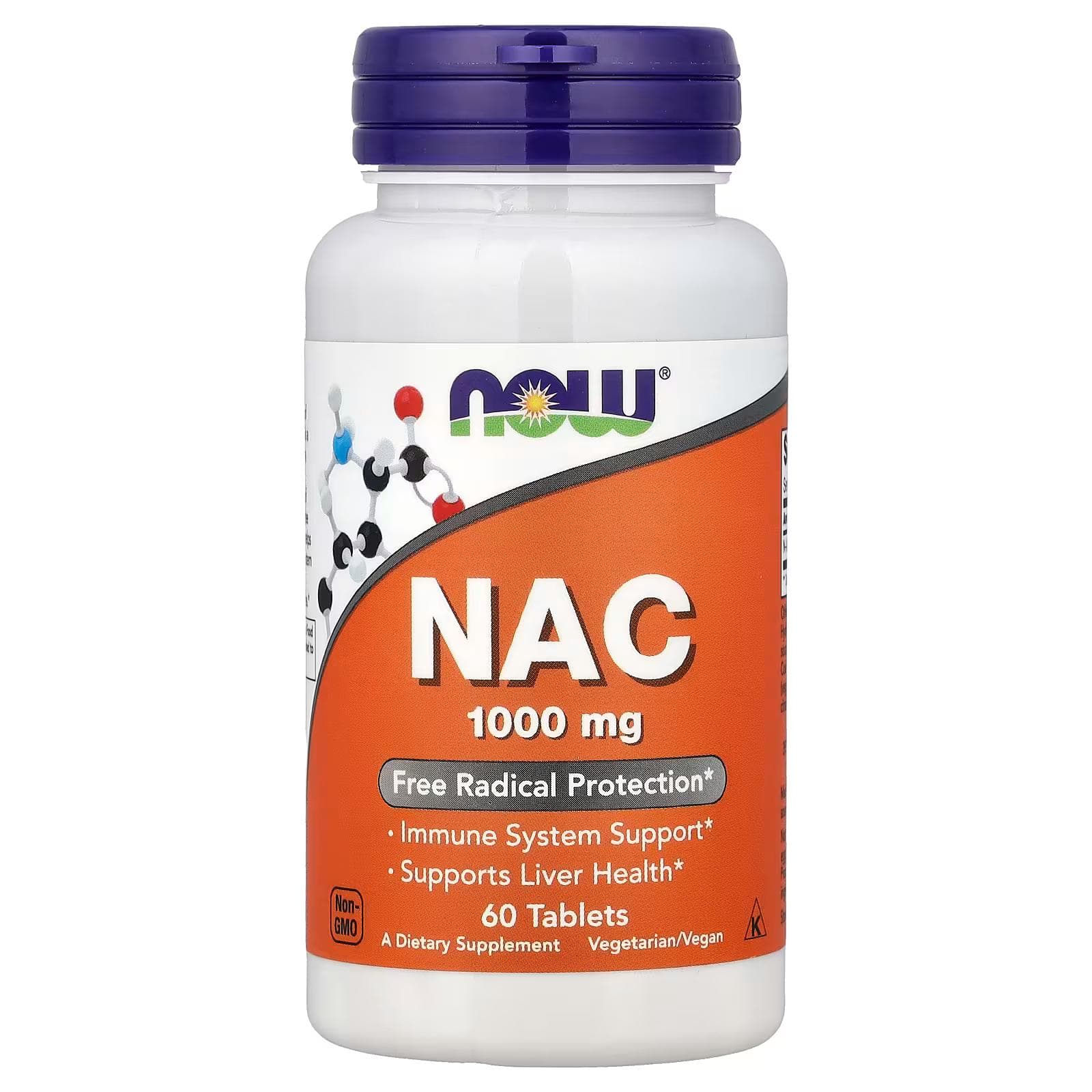
NOW Foods
NOW Foods NAC 1000 mg supports glutathione production, helping protect cells from oxidative stress. Commonly used for immune, liver support, and studied for reducing compulsive urges in BFRBs.
View Product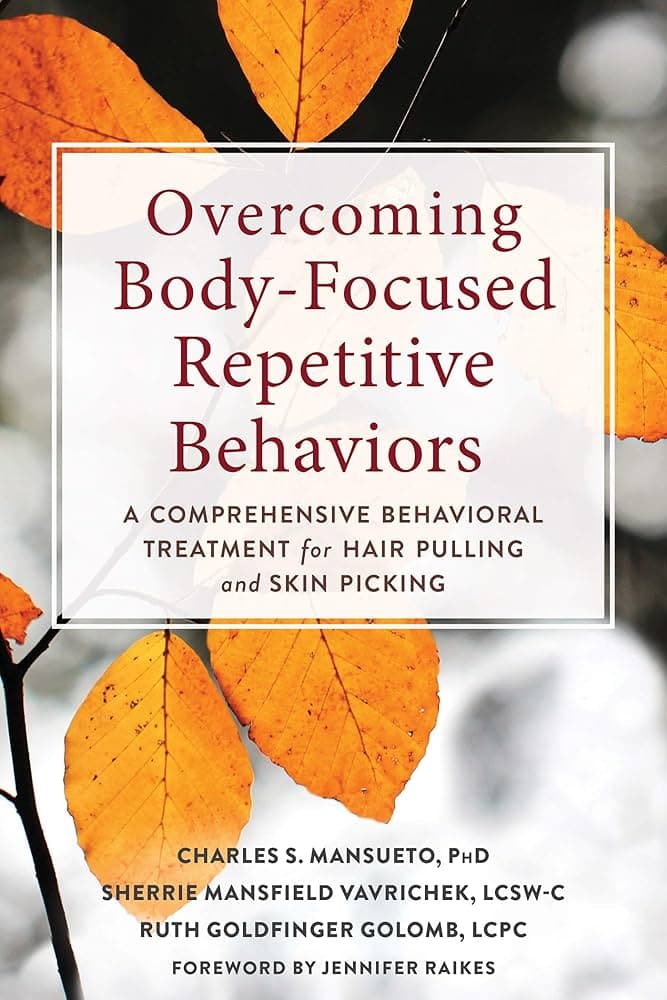
by Charles S. Mansueto PhD (Author), Sherrie Mansfield Vavrichek LCSW-C (Author), Ruth Goldfinger Golomb LCPC (Author), Jennifer Raikes (Foreword)
A structured CBT-based program for hair pulling and skin picking that builds awareness, reduces triggers, and replaces urges with healthier responses to help regain control over repetitive behaviors.
View Product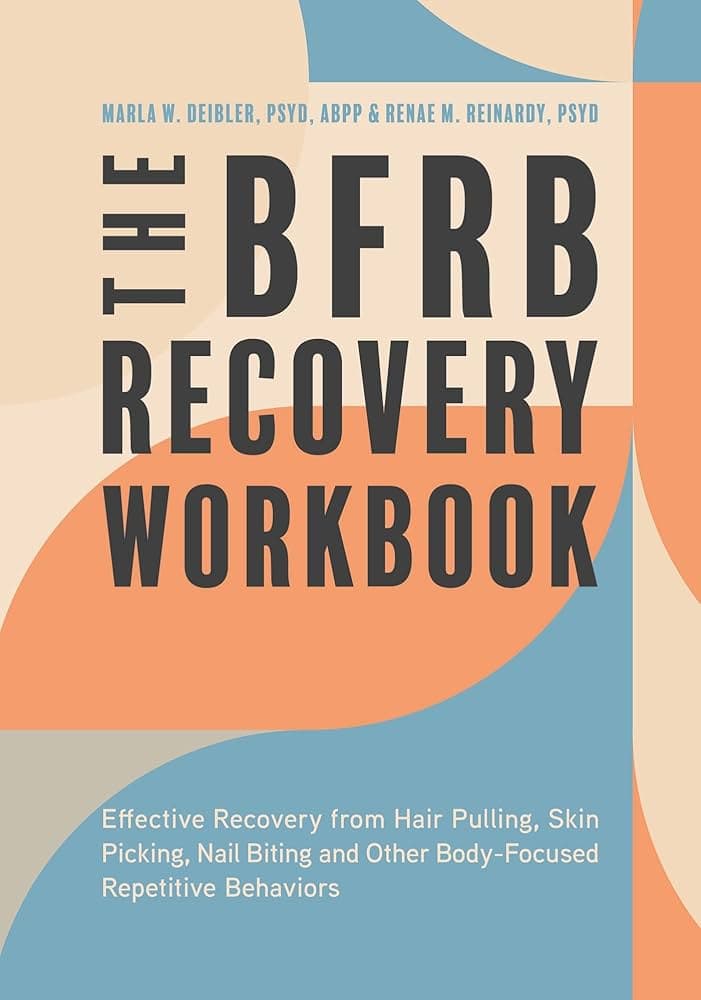
by Dr. Marla Deibler (Author), Dr Dr. Renae Reinardy (Author)
A practical workbook that guides you through proven strategies to reduce hair pulling, skin picking, and nail biting using awareness, habit change tools, and step-by-step recovery exercises.
View ProductSome links are affiliate links. We may earn a commission at no extra cost to you.
Sources
- 1.N-Acetylcysteine (NAC) — Ershad M, Naji A, Patel P, Vearrier D , StatPearls Publishing , 2021
- 2.N-Acetylcysteine: Impacts on Human Health — Tenório MCDS, Graciliano NG, Moura FA, et al. , Antioxidants , 2021
- 3.N-Acetylcysteine: A Review of Clinical Usefulness (an Old Drug with New Tricks) — Schwalfenberg GK , Journal of Nutrition and Metabolism , 2021
- 4.Body-Focused Repetitive Behavior Disorders: Behavioral Models and Neurobiological Mechanisms — Okumuş HG, Akdemir D , Turk Psikiyatri Dergisi , 2023
- 5.N-acetylcysteine as a new prominent approach for treating psychiatric disorders — Smaga I, Frankowska M, Filip M , British Journal of Pharmacology , 2021
- 6.N-Acetylcysteine in the Treatment of Excoriation Disorder: A Randomized Clinical Trial — Grant JE, Chamberlain SR, Redden SA, et al. , JAMA Psychiatry , 2016
- 7.N-acetylcysteine versus placebo for treating nail biting: a randomized clinical trial — Ghanizadeh A, Derakhshan N, Berk M , Anti-Inflammatory & Anti-Allergy Agents in Medicinal Chemistry , 2013
- 8.N-acetylcysteine in trichotillomania and related disorders — Odlaug BL, Grant JE , Clinical Psychopharmacology / case-based literature review , 2007–2013
- 9.Dramatic Improvement of Trichotillomania with N-Acetylcysteine — Popova L, Mancuso J , Case report / clinical review , 2022