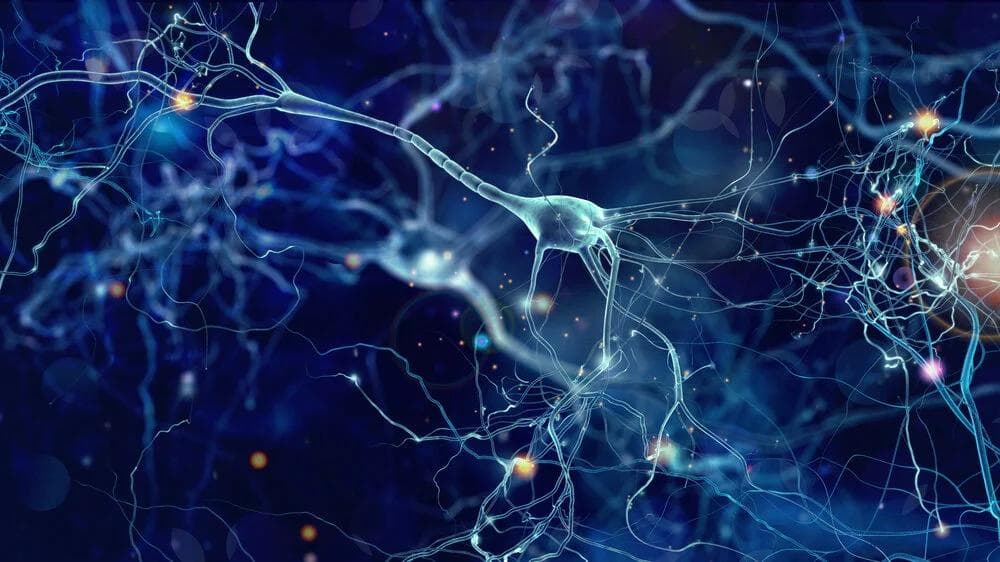
Can Nicotine Boost Your Brain? The Science, Benefits, Risks, and Research Behind Nicotine as a Nootropic
Nicotine is often linked to smoking and addiction, but researchers have studied its effects on focus, memory, and cognition for decades. Can it enhance brain function? Here's what the research says about nicotine as a nootropic.

Nicotine sits in an unusual corner of neuroscience. It is tightly associated with tobacco use and global disease burden, yet in controlled laboratory settings it reliably shifts attention, reaction time, and working memory performance.
Human studies consistently show measurable changes in cognition after nicotine exposure, especially in attention-heavy tasks and fatigue conditions [1]. At the same time, long-term population data and clinical research show a strong pattern of dependence and neuroadaptation that changes how those effects behave over time.
This creates a split that shows up repeatedly in the literature: nicotine produces real acute cognitive changes, but the brain adapts to it quickly, and the reinforcing properties of the molecule often dominate the longer trajectory of use [2].
What nicotine is and where it comes from
Nicotine is a naturally occurring alkaloid found in plants of the nightshade family. Tobacco contains the highest concentration by far, which is why it became the primary commercial source.
Smaller trace amounts exist in foods like tomatoes, potatoes, and eggplant, although these levels are biologically negligible compared to tobacco-derived exposure.
Industrial nicotine is produced in three main ways: extraction from tobacco leaves, pharmaceutical purification for nicotine replacement therapies, and synthetic production for research and medical formulations. These differences matter because nicotine exposure is not a single uniform experience; delivery method changes pharmacokinetics, peak concentration, and reinforcement potential.
The World Health Organization distinguishes nicotine from combustion-related harm, noting that most tobacco mortality is driven by smoke exposure rather than nicotine itself [5].
How nicotine interacts with the brain
Nicotine reaches the brain quickly after entering the bloodstream and binds to nicotinic acetylcholine receptors (nAChRs). These receptors normally respond to acetylcholine, a neurotransmitter involved in attention, arousal, and synaptic communication.
The effects of nicotine are not limited to a single pathway. Instead, it influences multiple receptor populations distributed across cortical and subcortical systems.
Receptor activation and neurotransmitter release
When nicotine binds to nAChRs, it produces two major effects:
- increased release of dopamine, norepinephrine, acetylcholine, and glutamate
- receptor desensitization after repeated exposure, which contributes to tolerance
The α4β2 and α7 receptor subtypes are especially important for cognitive effects. These receptors are heavily expressed in brain regions involved in attention filtering and working memory processing [1].
Dopamine system and reinforcement
The dopamine effects of nicotine are central to both its cognitive profile and its addictive properties.
Nicotine stimulates dopaminergic neurons in the ventral tegmental area (VTA), which then project to the nucleus accumbens and prefrontal cortex. This pathway is part of the mesolimbic reward system, often described as the brain’s reinforcement learning circuit.
The process unfolds in a fairly specific sequence:
- Nicotine activates α4β2-containing receptors on VTA neurons
- Neuronal firing increases
- Dopamine is released in target regions
- Dopamine binds to DRD2, DRD3, and DRD4 receptors
- Intracellular signaling cascades adjust synaptic strength and learning signals
A key molecular component here is DARPP-32 (PPP1R1B), which acts as a signaling switch. Depending on its phosphorylation state, it can amplify or dampen downstream dopamine-related signaling. This makes it a central regulator of synaptic plasticity in reward-related learning [2].
Over time, this system adapts. Repeated nicotine exposure changes receptor sensitivity and dopamine baseline dynamics, which shifts the subjective experience of stimulation and contributes to tolerance.
Peripheral physiological activation
Nicotine also activates nicotinic receptors outside the brain, particularly in the adrenal medulla.
This triggers:
- calcium influx into chromaffin cells
- epinephrine release into circulation
- increased heart rate and blood pressure
- elevated glucose and catecholamine levels
These effects contribute to the sensation of stimulation that users often describe as increased energy or alertness [3].
Cognitive effects in controlled studies
Across experimental research, nicotine shows a fairly consistent profile: it improves certain aspects of attention while leaving broader cognitive performance largely unchanged.
A major review of human and preclinical studies reports improvements in:
- sustained attention
- reaction time
- fine motor performance
- aspects of working memory
These effects are most visible under demanding cognitive conditions or when baseline arousal is low [1].
Measured performance patterns
Controlled studies frequently observe a trade-off pattern:
- reduced omission errors in sustained attention tasks
- occasional increase in commission errors (impulsivity-related responses)
This suggests nicotine does not simply “increase cognition” but shifts attentional allocation and response thresholds.
A study examining initial nicotine exposure in non-smokers found that subjective concentration improvements were stronger in individuals with ADHD traits, and that these effects were closely tied to reinforcement preference for nicotine exposure itself [7].
Why nicotine’s effects change over time
Nicotine does not remain stable in its effects because the brain adapts.
Two mechanisms are central:
Receptor desensitization
nAChRs, especially α4β2 receptors, become less responsive after repeated exposure. This reduces acute signaling strength.
Neuroadaptation
Dopaminergic and cholinergic systems adjust baseline activity, which shifts perception of “normal” cognitive state.
Animal and human research shows nicotine’s influence on synaptic plasticity is tightly linked to these adaptations in reward circuitry [2].
Health effects beyond cognition
Nicotine influences multiple physiological systems.
The most consistent findings include:
- increased heart rate and blood pressure
- elevated catecholamine levels
- metabolic changes including glucose and lipid modulation
These effects are documented in clinical toxicology literature and reflect systemic sympathetic activation [3].
Neurologically, nicotine is strongly associated with:
- dependence formation
- withdrawal symptoms (irritability, anxiety, reduced focus)
- sleep disruption during cessation or cycling use
Large-scale public health data also show the broader burden of nicotine-containing products when combined with tobacco use, particularly in combustion systems [5].
Risk depends heavily on delivery method
Nicotine exposure is not uniform; delivery system changes both harm profile and addiction potential.
Combustion-based delivery introduces thousands of toxic compounds and is responsible for most smoking-related mortality.
Smokeless tobacco reduces respiratory exposure but still carries significant cardiovascular and addiction risk.
Vaping avoids combustion but still delivers rapid nicotine spikes, which maintain reinforcement pathways while long-term risks remain uncertain.
Nicotine replacement therapy (patches, gum, lozenges) produces slower absorption curves and lower peak plasma levels, which reduces reinforcement intensity. These products are widely used in cessation therapy and are classified as safer nicotine delivery systems [6].
Addictive potential and reinforcement loop
Nicotine’s addictive profile is strongly tied to its dopamine effects.
The probability of dependence increases with:
- faster delivery speed (inhalation > oral > transdermal)
- higher dose exposure
- repeated daily reinforcement cycles
Once reinforcement patterns form, cognition and behavior can become linked to nicotine intake. This is where subjective performance gains often become entangled with withdrawal relief rather than true enhancement.
What nicotine is and is not as a cognitive enhancer
Nicotine does produce measurable improvements in attention and reaction time under controlled conditions [1]. These effects are real, reproducible, and mechanistically well understood.
However, they sit within a system that rapidly adapts, builds tolerance, and strongly reinforces repeated use through dopamine-driven learning pathways [2].
Across clinical literature, there is no strong evidence that nicotine produces long-term cognitive enhancement in healthy individuals. What remains is a short-acting stimulant profile layered on top of a high-risk reinforcement system.
Conclusion
Nicotine affects the brain in a direct and measurable way. It modifies attention networks, increases dopamine signaling, and produces short-term improvements in specific cognitive domains.
At the same time, it engages the brain’s reinforcement systems in a way that promotes adaptation, tolerance, and dependence.
The result is not a simple cognitive enhancer, but a compound where acute performance changes and long-term neurobehavioral shifts are tightly intertwined.
Frequently asked questions
- Is nicotine actually a nootropic?
It can improve attention and reaction time in the short term, but there is no strong evidence for long-term cognitive enhancement in healthy users [1].
- Why does nicotine feel stimulating?
It increases dopamine, norepinephrine, and epinephrine activity through nicotinic acetylcholine receptor activation, which affects both brain and body arousal systems [3].
- Does nicotine improve memory?
Some studies show small improvements in working memory and attention tasks, especially under fatigue or in individuals with attention difficulties [1], [7].
- Why does tolerance build so quickly?
Nicotine desensitizes nicotinic acetylcholine receptors and triggers neuroadaptation in dopamine pathways, which reduces the intensity of its effects over time [2].
- Is nicotine addictive even without smoking?
Yes. The molecule itself strongly reinforces dopamine signaling pathways involved in habit formation and reward learning [2].
- What is the safest way to consume nicotine?
Nicotine replacement therapies like patches and gum deliver slower, more stable dosing and avoid combustion-related toxins [6].
Nicotine Replacement Therapy (NRT) and Smoking Cessation
Nicotine replacement therapy (NRT) includes gum, patches, and lozenges designed to deliver controlled doses of nicotine without tobacco smoke. It’s widely used to reduce withdrawal symptoms and support smoking cessation efforts.
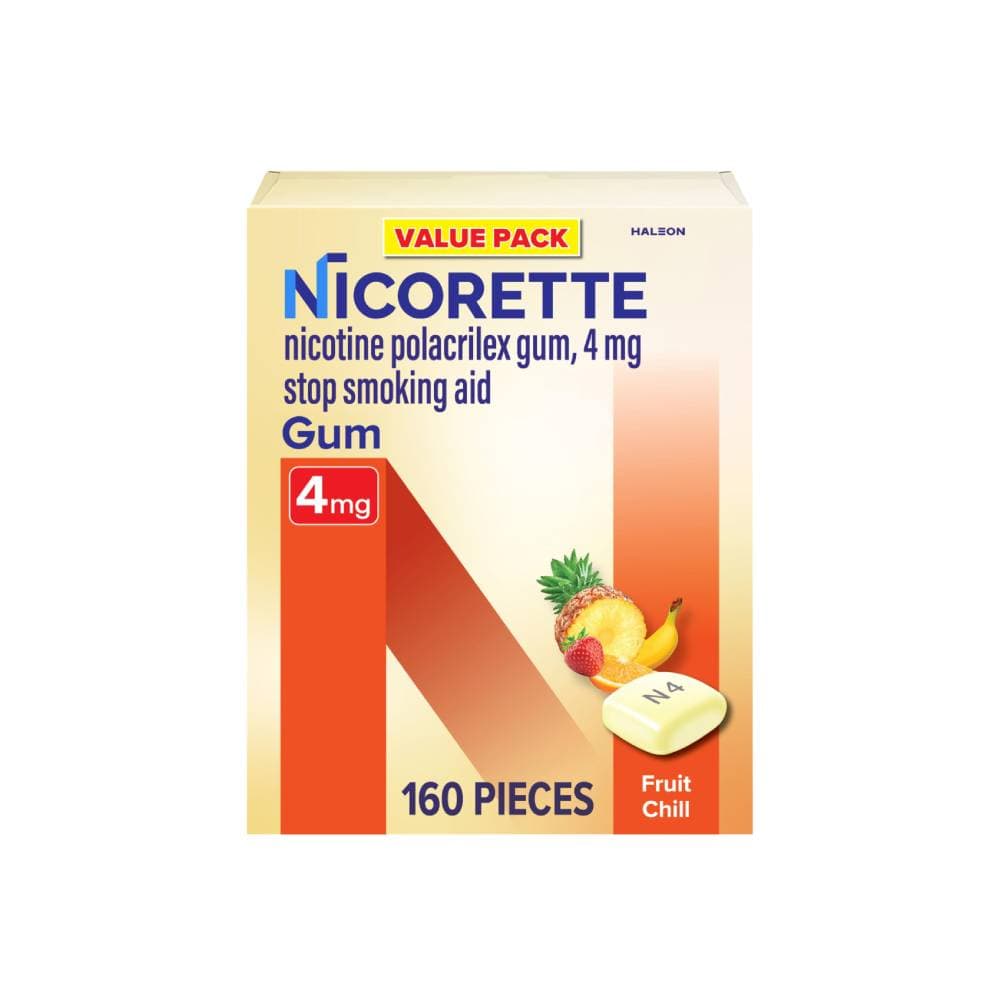
Nicorette
Nicorette gum is a nicotine replacement therapy that helps reduce cravings and withdrawal symptoms when quitting smoking. It releases controlled nicotine through chewing, without the toxins found in tobacco smoke.
View Product
NenMaoKeNu
Nicotine patches are a form of nicotine replacement therapy that deliver a steady, controlled dose of nicotine through the skin. They help reduce withdrawal symptoms and cravings while avoiding tobacco smoke exposure.
View Product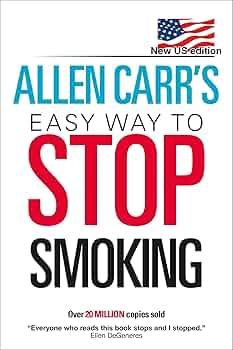
Arcturus
Allen Carr’s *Easy Way to Stop Smoking* is a popular self-help book that aims to change how people think about smoking. It focuses on breaking psychological dependence rather than relying on willpower or substitutes.
View ProductSome links are affiliate links. We may earn a commission at no extra cost to you.
Sources
- 1.Cognitive Effects of Nicotine: Recent Progress — George Valentine, Mustafa Sofuoglu , Current Neuropharmacology, 2018
- 2.Synaptic Plasticity and Nicotine Addiction — John A. Dani, Daoyun Ji, Fu-Ming Zhou, Neuron , 2001
- 3.Harmful Effects of Nicotine — A. Mishra, P. Chaturvedi, S. Datta, P. Sinukumar, P. Joshi, A. Garg , Indian Journal of Medical and Paediatric Oncology , 2015
- 4.Nicotine’s Peripheral and Autonomic Effects (covered within clinical toxicology synthesis literature) — Included within Mishra et al. and related clinical pharmacology summaries , Indian Journal of Medical and Paediatric Oncology , 2015
- 5.Tobacco Fact Sheet — World Health Organization (WHO), World Health Organization, 2023
- 6.What Are Safer Nicotine Products? — Global State of Tobacco Harm Reduction (GSTHR), Knowledge·Action·Change, 2023
- 7.Effects of Initial Nicotine Exposure on Cognition and Nicotine Reinforcement — Maggie M. Sweitzer, Julianna Lazzari, et al., Journal of Psychopharmacology (and related clinical publication series), 2024