Adverse Childhood Experiences (ACEs): Prevalence, Long-Term Outcomes, and Evidence-Based Interventions
A research overview of Adverse Childhood Experiences (ACEs), examining how common they are, their long-term effects on mental and physical health, and the evidence-based interventions that support recovery across the lifespan.

What is the ACE test?
The ACE test (Adverse Childhood Experiences test) is a 10-question screening tool used to measure exposure to early life stressors in childhood. It was designed to quickly estimate whether someone may be at risk of long-term health effects linked to toxic stress [1].
An ACE score is the total number of “yes” responses across ten categories of childhood adversity. A higher score reflects greater cumulative exposure, not severity or duration [1].
Healthcare systems often use the score as a first-step signal rather than a diagnosis. If risk is high, clinicians may explore specific experiences and consider trauma-informed treatment approaches [1].
The 10 ACE categories
The ACE framework is built around ten categories of childhood adversity:
- Physical neglect or lack of basic care
- Parental separation or loss
- Household mental illness or suicide attempts
- Household substance misuse
- Domestic violence between caregivers
- Incarcerated household member
- Emotional abuse
- Physical abuse
- Emotional neglect
- Sexual abuse [2]
These categories were developed from the original CDC-Kaiser ACE Study, which found that these experiences often co-occur rather than appear in isolation.
Where ACE research comes from
The ACE framework originates from the CDC-Kaiser Permanente study led by Vincent Felitti and Robert Anda in the 1990s. The study followed large populations over time and found a consistent relationship between childhood adversity and later disease risk [2].
Later work confirmed that this relationship is dose-dependent: as ACE exposure increases, the risk of poor health outcomes rises across multiple domains [3].
How common ACEs are
ACEs are widespread across populations.
Large-scale surveillance and national studies show:
- About 62.8% of adults report at least one ACE exposure [6]
- Around 26–27% report four or more ACEs [6]
- Emotional abuse affects roughly 34.5% of adults [6]
- Sexual abuse varies significantly by gender (higher in females) [6]
- Household substance misuse is among the most frequently reported ACEs [5]
Across datasets, ACEs tend to cluster, meaning multiple exposures are more common than single isolated experiences [5].
How ACEs affect health (dose-response pattern)
A major meta-analysis covering over 250,000 participants found that individuals with four or more ACEs had significantly higher risk across all major health categories [3].
The pattern is not uniform:
- Mild increases: obesity, inactivity, diabetes
- Moderate increases: smoking, alcohol use, cancer, heart disease
- Strong increases: mental illness, risky sexual behavior
- Very strong increases: drug use, violence, self-harm [3]
Reported risk increases include:
- ~2× smoking risk
- ~7× alcohol dependence
- ~11× drug use
- Up to ~30× increase in suicide attempts in high-ACE groups [5]
The strength of association varies, but the direction is consistent across studies.
How ACEs affect the body and brain
Research shows that ACEs influence core biological systems involved in stress regulation.
Key findings include:
- Reduced prefrontal cortex and hippocampal volume
- Heightened HPA axis activation (stress hormone system)
- Elevated inflammation markers
- Altered immune system functioning [8]
These changes are visible in both childhood and adulthood, suggesting that early adversity becomes biologically embedded over time [8].
This process contributes to allostatic load, the cumulative wear on physiological systems caused by chronic stress activation [8].
Mental health and interpersonal outcomes
ACEs are strongly linked to mental health conditions including depression, anxiety, PTSD, and substance use disorders [5].
They also affect emotional processing and relationships. One study found that ACE exposure predicts adult interpersonal difficulties, and that emotion dysregulation partially explains this relationship [4].
This suggests the pathway is not only behavioral but also psychological: early adversity shapes how emotions are processed and regulated in adulthood [4].
Social and life outcomes
Beyond health, ACEs are associated with:
- Lower educational attainment
- Employment instability
- Increased risk of criminal justice involvement
- Higher likelihood of housing insecurity in severe cases
These outcomes reflect how early adversity affects both development and long-term opportunity structures.
Who is most affected
ACEs are not evenly distributed across populations.
Data shows:
- 61% of Black children report at least one ACE
- 51% of Hispanic children
- 40% of White children [11]
Females also tend to experience more complex and varied ACE patterns, with stronger associations between ACE exposure and later mental health outcomes [12].
Poverty is strongly linked to higher ACE exposure because it increases the likelihood of multiple risk factors occurring together, including instability, neglect, and violence [13].
Can people recover from ACEs?
Yes. Outcomes are not fixed.
Resilience plays a major protective role. It includes:
- Stable caregiver relationships
- Social support networks
- Emotional regulation skills
- Safe and predictable environments
Resilience reduces the severity of long-term outcomes even when ACE exposure is high [14].
However, studies show that individuals with higher ACE scores often have lower baseline resilience and emotion regulation capacity, making support systems especially important [10].
Treatment and prevention
Treatment approaches focus on reducing symptoms and improving regulation rather than reversing past exposure.
Evidence-supported interventions include:
- Trauma-focused CBT (strongest evidence base) [15]
- EMDR for trauma processing [7]
- Family therapy approaches [15]
- Parenting support interventions [15]
- School-based and community programs [15]
EMDR is commonly used for trauma processing in individuals with significant ACE exposure, helping reduce emotional intensity tied to traumatic memories [7].
Prevention strategies focus on reducing exposure early:
- Early childhood intervention programs
- Parenting support systems
- Violence prevention initiatives
- Trauma-informed healthcare and social services [15]
Limits of the ACE framework
Despite its usefulness, ACE research has important constraints:
- It does not measure severity or duration of adversity
- It does not capture positive childhood experiences
- It reduces complex life histories into a single score
- It may not fully account for cultural differences in trauma response
Even with these limitations, the predictive relationship between ACE score and health outcomes remains strong across large datasets and multiple countries [3].
Why ACEs still matter
Across decades of research, one pattern remains stable:
Higher ACE exposure is associated with higher risk of physical, mental, and social health problems across the lifespan.
This relationship appears in epidemiological studies, clinical research, and biological research simultaneously [3][8][5].
What makes ACE research important is not that it explains every outcome, but that it consistently identifies where long-term risk begins to accumulate in early life and how it compounds over time.
Frequently asked questions
- What is the ACE test?
The ACE test (Adverse Childhood Experiences test) is a 10-question screening tool used to identify exposure to childhood trauma such as abuse, neglect, and household dysfunction. It produces a score based on how many categories of adversity a person experienced before adulthood. It is mainly used as an early indicator of potential long-term health risk rather than a diagnosis [1].
The original ACE questionnaire includes ten categories of adversity covering neglect, abuse, and household instability [2].
- What does an ACE score mean?
An ACE score is the total number of different types of adverse childhood experiences a person reports. It does not measure severity or duration, only exposure type. Higher scores are associated with increased risk of long-term physical, mental, and social health problems [3].
- How common are ACEs?
ACEs are widespread across populations. Large-scale studies estimate that over 60% of adults report at least one ACE, and roughly one in four report four or more [6].
Certain types of adversity are especially common:
Emotional abuse (~34%) Household substance misuse Parental separation or divorce Domestic violence exposure [6]
ACEs also tend to cluster, meaning people exposed to one type of adversity are more likely to experience others [5].
- How do ACEs affect health?
Higher ACE exposure is linked to increased risk across nearly every major health category. A large meta-analysis of over 250,000 participants found a clear dose–response relationship: as ACE score increases, risk increases [3].
Risk patterns include:
Mild increases: obesity, diabetes, physical inactivity Moderate increases: heart disease, cancer, alcohol use Strong increases: depression, anxiety, PTSD Very strong increases: drug use, self-harm, violence [3]
Biological research also shows changes in stress regulation systems, including inflammation, hormone regulation, and brain structure [8].
- Are ACEs permanent?
The experiences themselves cannot be changed, but their effects are not fixed. Long-term outcomes vary depending on support systems, therapy, and resilience factors [14].
Research shows that resilience can significantly reduce the impact of ACE exposure on mental health and functioning [14].
- Why do ACEs affect some people more than others?
Differences in outcomes are linked to protective factors such as caregiving stability, social support, and emotional regulation skills.
Studies show that individuals with higher ACE exposure often have lower baseline resilience and emotion regulation capacity, which can increase vulnerability [10].
However, supportive environments can buffer long-term effects even in high-risk cases [14].
- Can ACEs be treated?
Yes. Treatment focuses on reducing symptoms and improving emotional regulation rather than reversing past experiences.
Evidence-supported interventions include:
Trauma-focused CBT (strongest evidence base) [15] EMDR therapy for trauma processing [7] Family therapy approaches [15] Parenting and support interventions [15]
These approaches help reduce trauma-related symptoms and improve functioning over time.
- Can ACEs be prevented?
Prevention focuses on reducing exposure to adversity early in life and strengthening protective environments.
Common strategies include:
Early childhood intervention programs Parenting support initiatives Violence prevention systems Trauma-informed care in health and social services [15]
- Are women more affected by ACEs?
Research shows that females often experience more complex and varied patterns of childhood adversity compared to males. These patterns are also more strongly associated with later mental, emotional, and social difficulties [12].
This does not mean different biological sensitivity, but rather differences in exposure patterns and clustering of adversity [12].
- Do ACEs affect certain groups more than others?
Yes. Exposure is not evenly distributed across populations.
In U.S. data:
61% of Black children report at least one ACE 51% of Hispanic children 40% of White children [11]
These differences reflect broader structural factors, including poverty, instability, and exposure to violence.
- Are ACEs linked to poverty and background?
Yes. Poverty increases the likelihood of multiple overlapping risk factors such as housing instability, food insecurity, and exposure to violence.
Because of this clustering effect, poverty is often discussed as a structural contributor to ACE exposure and long-term health outcomes [13].
- Do ACEs affect physical health too?
Yes. ACE exposure is linked to higher risk of chronic disease across the lifespan.
Findings include increased risk of:
Heart disease Diabetes Chronic respiratory illness Obesity
These associations strengthen as ACE score increases, consistent with a dose–response pattern [3].
- What helps people recover from ACEs?
Recovery is possible and often depends on resilience and support systems.
Key protective factors include:
Stable relationships with caring adults Social support networks Emotional regulation skills Safe environments
Resilience acts as a buffer, reducing the severity of long-term outcomes even after significant adversity [14].
Books & Guides to Heal From Adverse Childhood Experiences(ACEs)
A curated list of books and practical guides focused on healing from Adverse Childhood Experiences (ACEs), offering research-backed insights, coping tools, and pathways to recovery, resilience, and long-term emotional health.
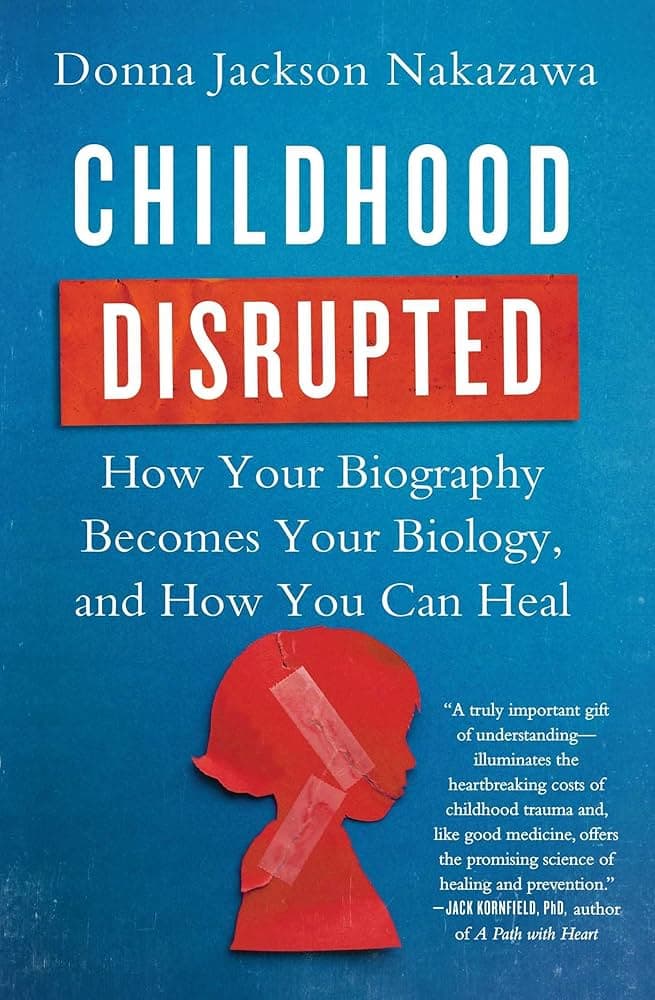
by Donna Jackson Nakazawa
A grounded look at how early life stress can shape long-term physical and mental health, and what pathways exist for recovery. It connects lived experience with research-backed understanding and practical steps forward.
View Product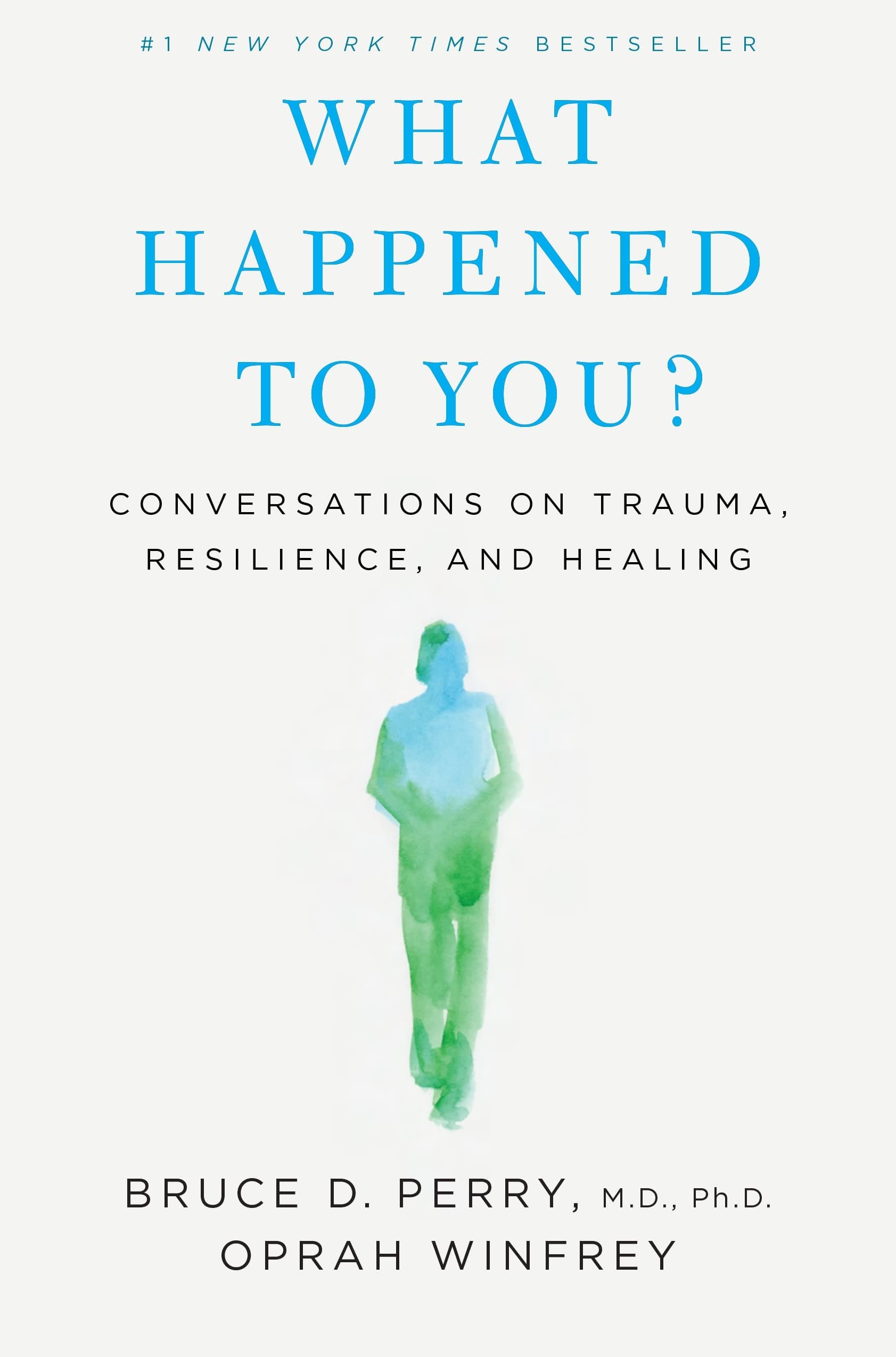
Flatiron Books: An Oprah Book
by Oprah Winfrey & Bruce D. Perry M.D. Ph.D
A compassionate exploration of how trauma shapes the brain, behavior, and emotional patterns, offering clear insight. It also highlights processes toward resilience, healing, and healthier relationships over time.
View Product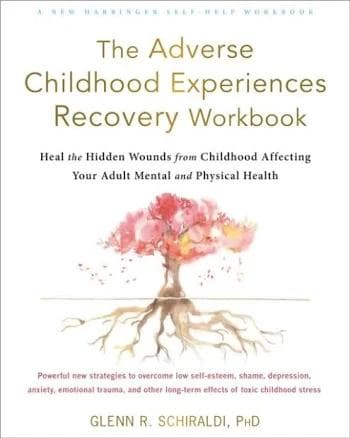
New Harbinger Publications
by Glenn R. Schiraldi PhD
A practical guide to understanding and healing the lasting effects of childhood trauma, with clear tools to regulate stress, reshape emotional responses, and build resilience for better mental and physical wellbeing.
View ProductSome links are affiliate links. We may earn a commission at no extra cost to you.
Sources
- 1.ACE Test Overview — Cleveland Clinic, Cleveland Clinic Health Library, 2020
- 2.ACE Questionnaire (Adults) — ACES Aware, California ACEs Aware Initiative, 2022
- 3.ACEs and Health Outcomes (Meta-analysis) — Hughes, K., Bellis, M., Hardcastle, K., et al., The Lancet Public Health, 2017
- 4.Emotion Dysregulation & Interpersonal Outcomes — Poole, J. C., Dobson, K. S., Pusch, D., Child Abuse & Neglect, 2018
- 5.CDC-Kaiser ACE Study / SAMHSA Synthesis — Felitti, V. J., Anda, R. F., The Permanente Journal / CDC reports, 2002
- 6.ACE Prevalence in U.S. Adults — Aslam, M. V., Swedo, E., Niolon, P. H., et al., American Journal of Preventive Medicine, 2024
- 7.EMDR and ACE-related Trauma Treatment — CNS Healthcare , Clinical mental health treatment overview
- 8.Biological Embedding of ACEs — Danese, A., McEwen, B. S., Physiology & Behavior, 2012
- 9.Interventions for ACEs (Systematic Review) — Lorenc, T., Lester, S., Sutcliffe, K., Stansfield, C., Thomas, J., BMC Public Health, 2020
- 10.Resilience, Social Support & ACEs — Folayan, M. O., Oginni, O., Arowolo, O., et al., BMC Research Notes, 2020
- 11.ACEs in Minority Populations — Center for Child Counseling, Public health educational resource
- 12.Gender Differences in ACE Patterns — Haahr-Pedersen, I., Perera, C., Hyland, P., et al., European Journal of Psychotraumatology, 2020
- 13.Poverty as an ACE — Hughes, M., Tucker, W., North Carolina Medical Journal, 2018
- 14.Resilience as a Protective Factor (Synthesis) — Folayan, M. O., et al., BMC Research Notes / related public health studies, 2020
- 15.Trauma-Informed Care & ACE Interventions — Lorenc, T., et al., BMC Public Health, 2020